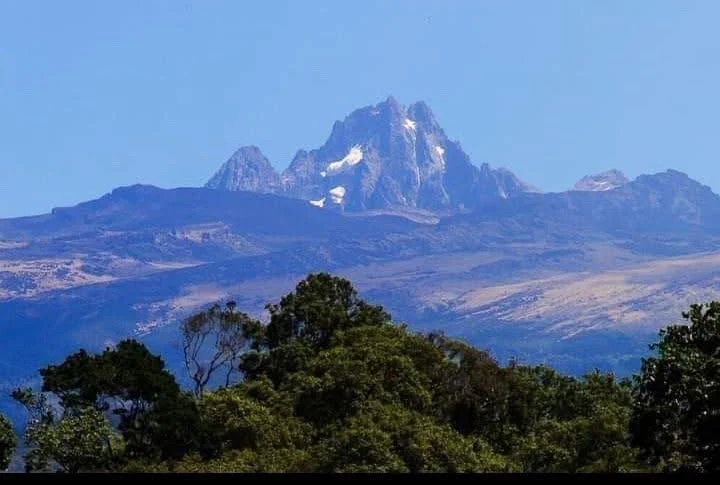
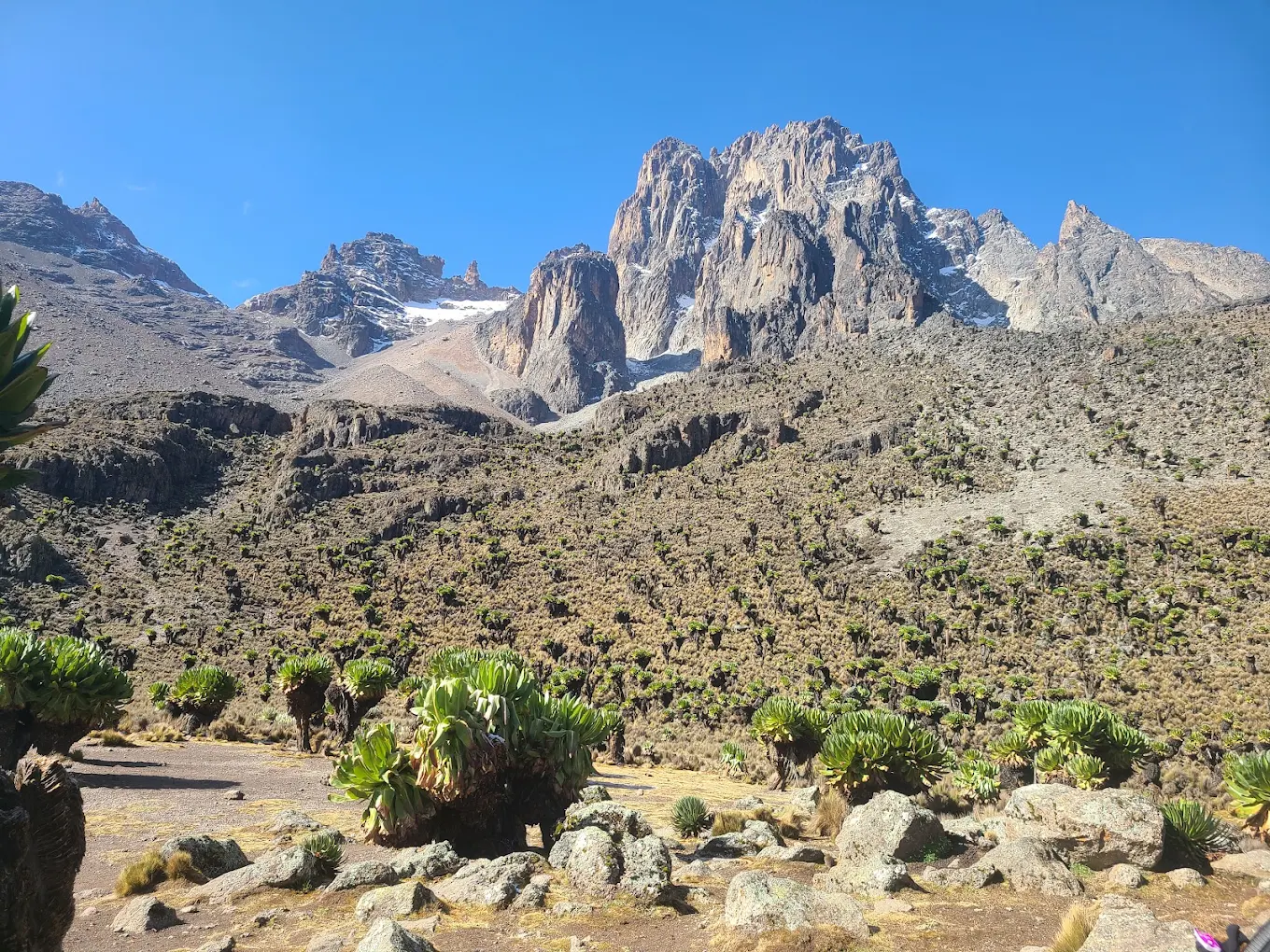
Rising dramatically from the central highlands, Mount Kenya is Africa's second-highest mountain and one of the continent's most rewarding trekking destinations. Unlike Kilimanjaro, its jagged, glacier-carved peaks demand technical climbing gear to summit the true peaks (Batian and Nelion) , but trekkers can still reach Point Lenana (4,985m), the third-highest peak, on a non-technical hike that delivers all the drama without ropes or ice axes. If you're planning a Mount Kenya trek, choosing the right route is one of the most important decisions you'll make.
Here's a breakdown of the mountain's three main hiking routes to help you pick the best fit for your fitness level, timeline, and scenery preferences.
Why Hike Mount Kenya?
A non-technical summit (Point Lenana) reachable by most reasonably fit hikers Dramatically varied scenery ,from bamboo forest to afro-alpine moorland to glacial peaks Far fewer crowds than Kilimanjaro, offering a quieter, more personal experience Rich wildlife along the lower forest zones, including elephants, buffalo, and colobus monkeys Shorter overall trip length compared to most Kilimanjaro itineraries
The Three Main Routes
1. Sirimon Route — The Scenic Favorite Duration: 4–5 days Difficulty: Moderate Best for: First-time Mount Kenya hikers wanting good acclimatization The Sirimon route approaches from the northwest and is widely considered the most scenic and gradual ascent, which helps with altitude acclimatization. It passes through lush forest, open moorland, and the dramatic Mackinder Valley before reaching Point Lenana. Many trekkers combine Sirimon for the ascent with Chogoria for the descent to experience the best of both routes.
2. Chogoria Route — The Most Beautiful Descent Duration: 4–6 days Difficulty: Moderate to challenging Best for: Hikers who want dramatic scenery and don't mind a longer approach Approaching from the east, Chogoria is often called the most beautiful route on the mountain, passing the stunning Gorges Valley and Lake Michaelson. It's a longer drive to the trailhead, but the payoff in scenery is significant. Chogoria is frequently paired with Sirimon (ascend one, descend the other) for a well-rounded trekking experience.
3. Naro Moru Route — The Fastest, Most Direct Duration: 3–4 days Difficulty: Challenging (steep and fast ascent profile) Best for: Hikers on a tighter schedule who are confident with altitude Naro Moru is the shortest and most direct route to Point Lenana, making it popular with hikers on limited time. However, its steep ascent profile gives less time for acclimatization, increasing the risk of altitude sickness. It's best suited to those with prior high-altitude trekking experience.
Combining Routes: Ascend One, Descend Another A popular and highly recommended approach is to ascend via Sirimon and descend via Chogoria (or vice versa). This gives you gentler acclimatization on the way up and spectacular scenery on the way down, without retracing your steps.
Best Time to Hike Mount Kenya January to February & August to September (Dry Seasons): Best overall conditions, clearer skies, and firmer trails June to October: Also generally favorable, cooler temperatures March to May & November (Rainy Seasons): Trails can be muddy and visibility reduced — best avoided for a first attempt Altitude & Acclimatization
Tips Point Lenana sits at nearly 5,000 meters, and altitude sickness is a real risk regardless of fitness level. To improve your chances of a successful, safe summit: Choose a 4–5 day itinerary rather than rushing a 3-day ascent Ascend gradually and follow the "climb high, sleep low" principle where possible Stay well hydrated throughout the trek Listen to your guide's pacing — altitude affects everyone differently Consider consulting a doctor about altitude sickness medication before your trip
What to Pack Layered clothing (temperatures range from tropical heat at the base to sub-zero near the summit) Sturdy, broken-in hiking boots Warm sleeping bag rated for sub-zero conditions Headlamp for the pre-dawn summit push Trekking poles for steep or loose sections Rain gear, even in the dry season
Final Thoughts Whether you choose the gradual scenery of Sirimon, the dramatic valleys of Chogoria, or the fast-paced challenge of Naro Moru, Mount Kenya offers one of East Africa's most rewarding treks — a true adventure without the crowds of its more famous neighbor to the south. Ready to plan your Mount Kenya trek?
Get in Touch with us to build a route and itinerary that matches your fitness level, timeline, and travel dates.