Few places on Earth capture the spirit of wild Africa quite like the Maasai Mara National Reserve. Rolling golden grasslands stretching to the horizon, thundering herds of wildebeest, prides of lion lounging in the shade, and the towering presence of elephants moving quietly through the bush — this is the safari experience most travelers dream of. If a trip to the Maasai Mara is on your bucket list, here's everything you need to know to plan the adventure of a lifetime.
Where Is the Maasai Mara?
The Maasai Mara is located in southwestern Kenya, bordering Tanzania's Serengeti National Park. Together, the two reserves form one continuous ecosystem, which is why wildlife , most famously the wildebeest ,moves freely between them throughout the year. Named after the local Maasai people and the Mara River that cuts through it, the reserve spans roughly 1,500 square kilometers of open savannah, acacia woodland, and river valleys. It's typically reached by road (around 5–6 hours from Nairobi) or by a short 45-minute domestic flight, making it one of the most accessible major safari destinations in East Africa.
Why Visit the Maasai Mara?
1. The Great Migration The Maasai Mara is world-famous as the stage for the Great Migration — the movement of over a million wildebeest, alongside hundreds of thousands of zebra and gazelle, as they cross from the Serengeti into the Mara in search of fresh grazing. The dramatic river crossings, where herds brave crocodile-infested waters, are among the most iconic wildlife spectacles on the planet.
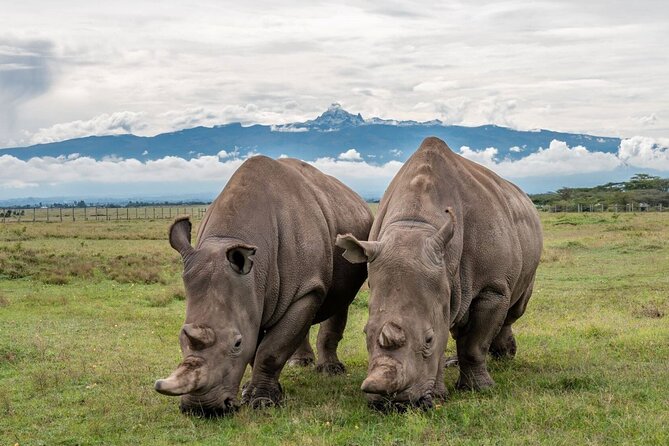
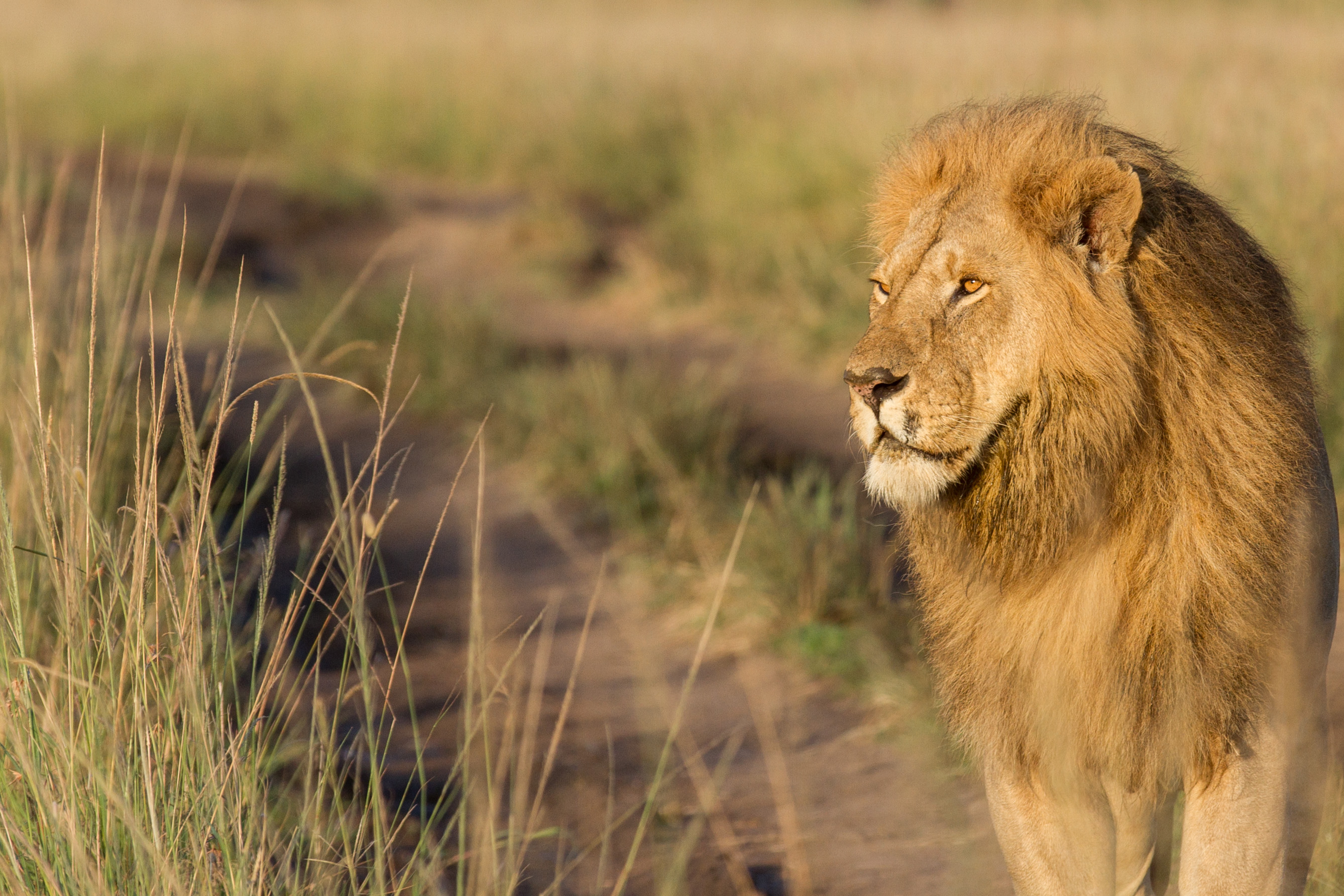
2. The Big Five The Mara is one of the best places in Africa to spot the Big Five — lion, leopard, elephant, buffalo, and rhino. Its high predator density, particularly lions and cheetahs, makes it a favorite for wildlife photographers and first-time safari-goers alike.
3. Rich Maasai Culture Beyond the wildlife, the reserve is home to the Maasai people, whose traditions, beadwork, and pastoral way of life have remained largely intact for generations. Many safaris include a visit to a local Maasai village (manyatta), offering a meaningful cultural exchange alongside the game viewing.
4. Diverse Landscapes From the rolling hills of the Mara Triangle to the acacia-dotted plains of the central reserve, the landscape itself is part of the appeal — offering some of the most cinematic scenery in Africa.
Best Time to Visit the Maasai Mara
- July to October (Peak Season): This is when the wildebeest migration is typically in the Mara, including the dramatic Mara River crossings. Expect excellent game viewing but higher prices and more visitors.
- January to March: A great alternative season with dry weather, calving season on the southern plains (technically in the Serengeti but relevant for migration timing), and fewer crowds.
- April to May (Low Season): The long rains bring lush green scenery and excellent birdlife, along with lower rates — ideal for budget-conscious travelers who don't mind occasional showers.
- November: The short rains bring a quieter, greener Mara with good value pricing and still-solid wildlife sightings. Note: migration timing shifts naturally year to year depending on rainfall patterns, so it's worth checking closer to your travel dates.
Top Things to Do in the Maasai Mara
- Game drives — morning and evening drives with experienced guides offer the best chances of predator sightings
- Hot air balloon safaris — float above the plains at sunrise for a bird's-eye view of the herds - Mara River crossing viewing ,witness one of nature's most dramatic events
- Maasai village visits —experience traditional dance, beadwork, and daily life
-Guided walking safaris — available in select conservancies bordering the main reserve -Photography safaris-golden light, dramatic skies, and abundant wildlife make the Mara a photographer's paradise
Where to Stay
Accommodation in and around the Maasai Mara ranges from luxury tented camps and lodges inside the reserve to more budget-friendly options in the surrounding conservancies, such as the Mara North, Naboisho, and Olare Motorogi conservancies. Staying in a conservancy often means fewer vehicles at sightings and the added benefit of night drives and walking safaris, which aren't permitted inside the main reserve.
Getting to the Maasai Mara
- By road: Approximately 5–6 hours from Nairobi via Narok, a scenic route through the Great Rift Valley
- By air: Scheduled flights from Nairobi's Wilson Airport take around 45 minutes and land at one of several airstrips within the reserve
Planning Tips
- Pack neutral-colored clothing, a hat, sunscreen, and binoculars
- Bring a good camera with zoom capability — sightings can happen at a distance
- Malaria prophylaxis is generally recommended for this region — consult your doctor before travel
- Book accommodation well in advance for the July–October peak season
- Combine your Mara trip with other Kenya highlights like Lake Nakuru, Amboseli, or the coast for a fuller itinerary
Final Thoughts
Whether you're chasing the thunder of the Great Migration, hoping for a rare leopard sighting, or simply looking to disconnect amid Africa's most iconic landscape, the Maasai Mara delivers an experience that stays with you long after you've left. With the right timing and a knowledgeable guide, it's not just a safari — it's the safari.
Ready to start planning your Maasai Mara adventure?
Get in touch with our team to build a custom itinerary around your travel dates and interests.